- Products
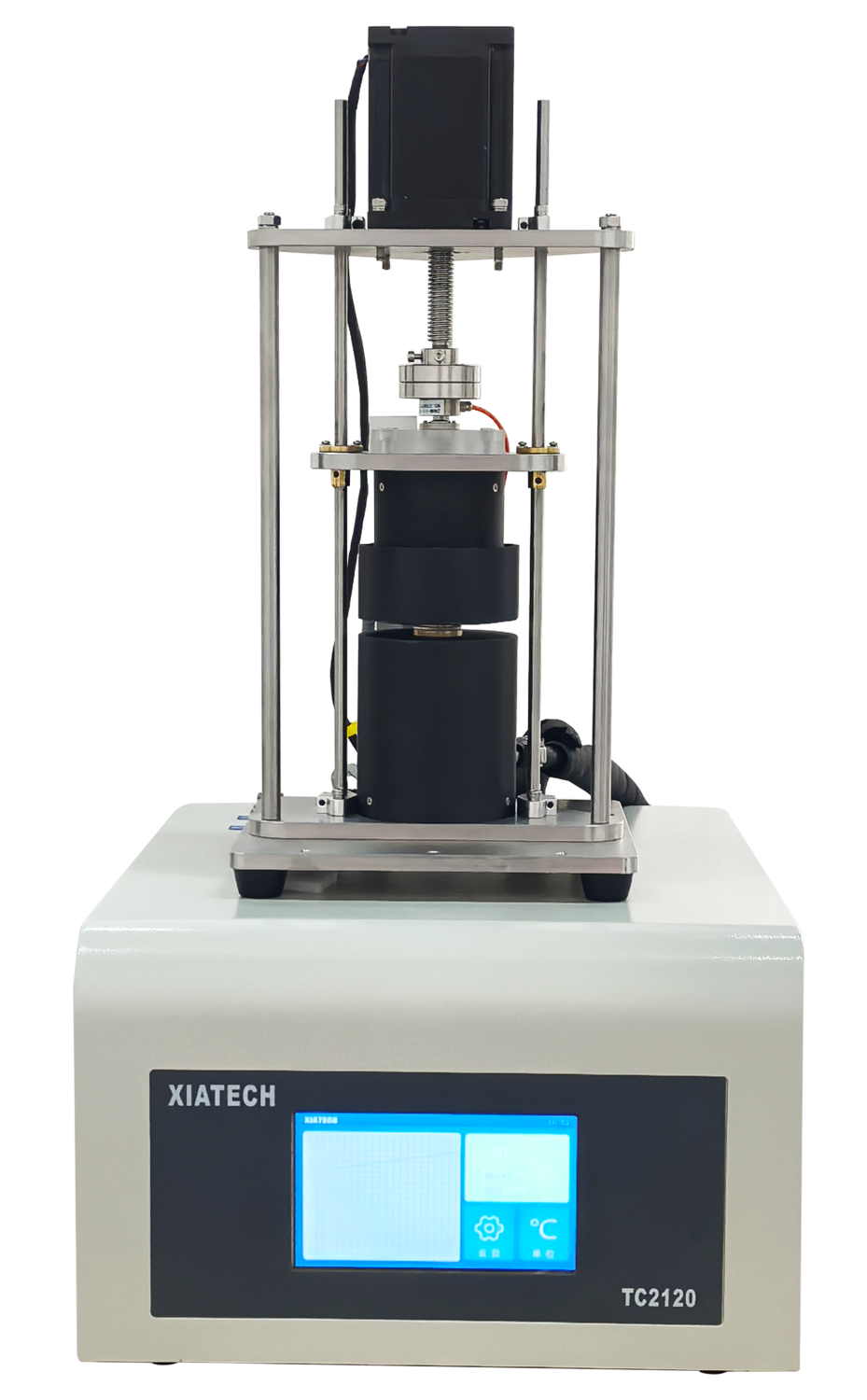
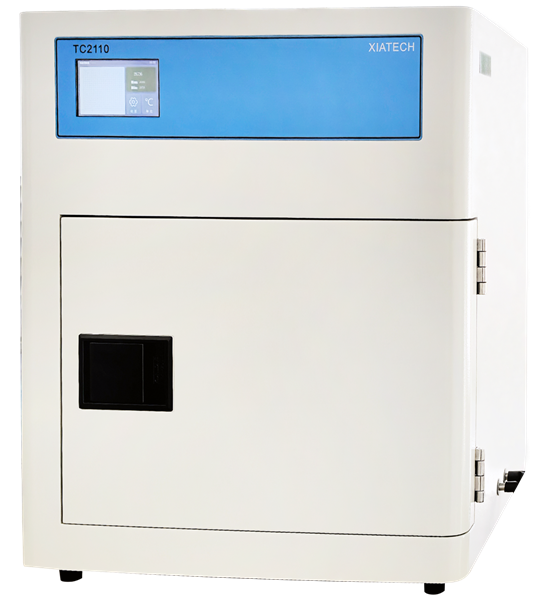
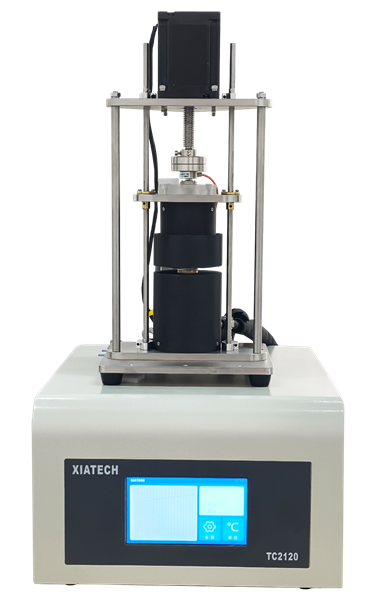
View all productsWidely applicable for testing the thermal conductivity of various materials such as insulation materials, plastics, rubber, thermal grease, composite materials, metal alloys, etc.
![toppro]()
- Solution
View all solutionsWidely applicable for testing the thermal conductivity of various materials such as insulation materials, plastics, rubber, thermal grease, composite materials, metal alloys, etc.
![topcase]()
- Service
- About Us
-
With over two decades of focus on the design, development and custom equipment services of high-precision thermal physical property measurement instruments, the company is committed to transforming advanced measurement technologies in the international physical property research field into stable, reliable and universal products. At present, the company has provided thermal physical property testing solutions to thousands of scientific research institutions, as well as enterprises and public institutions.