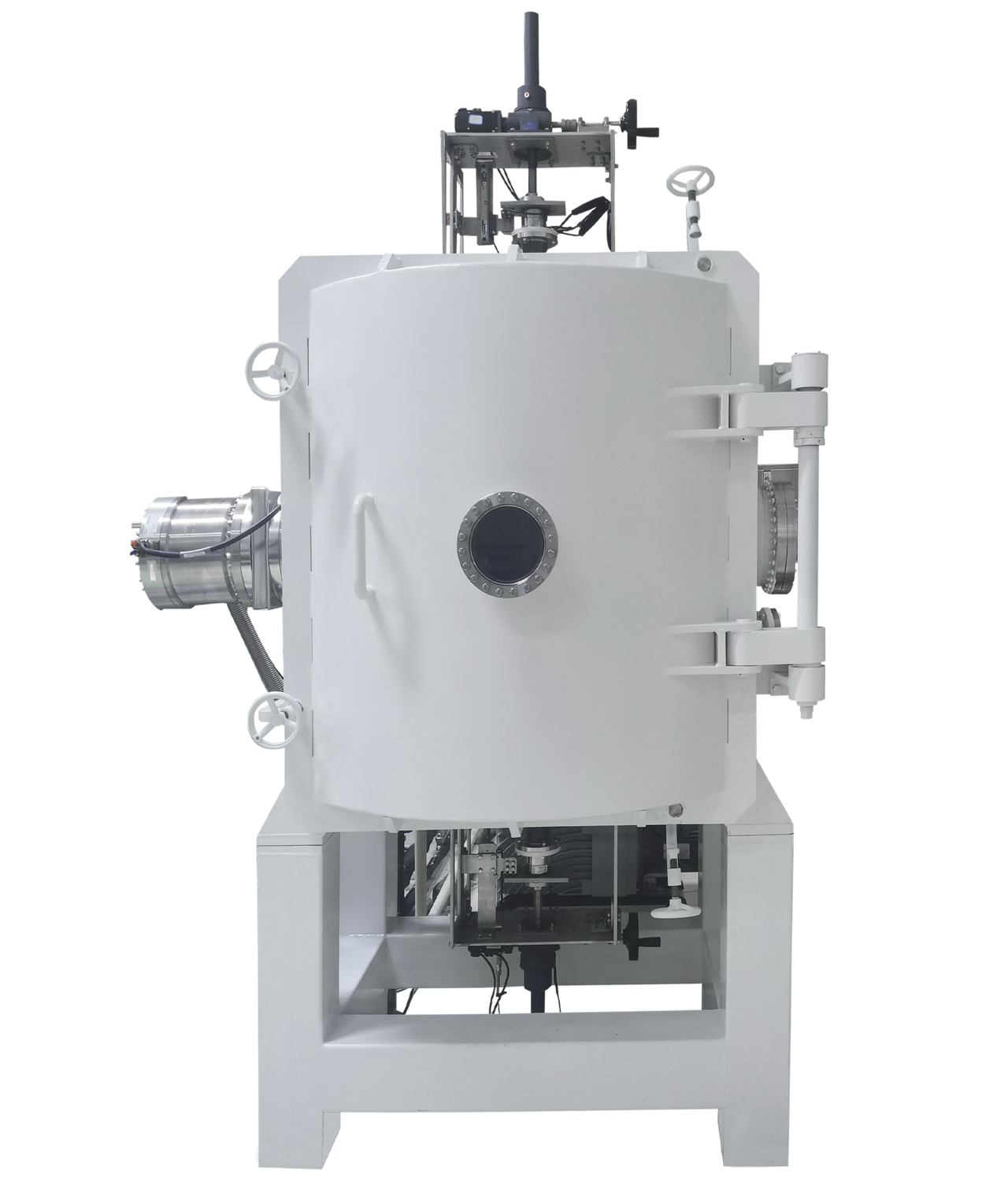
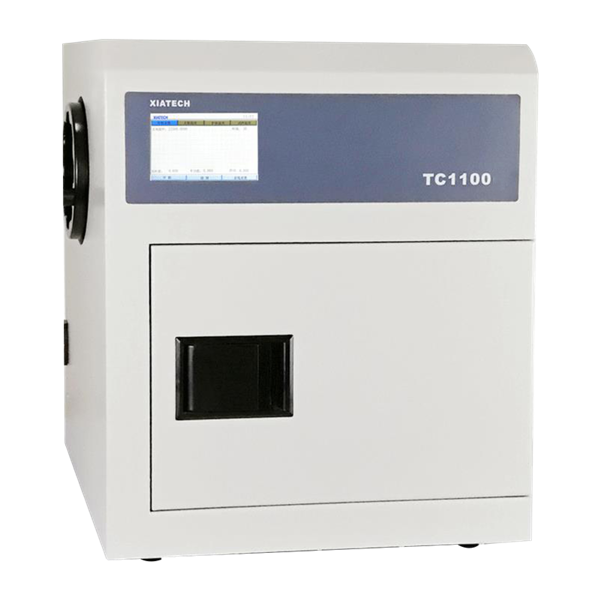
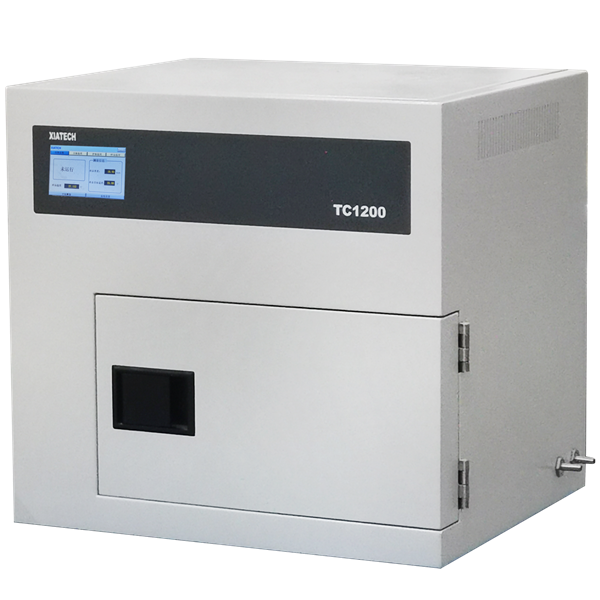
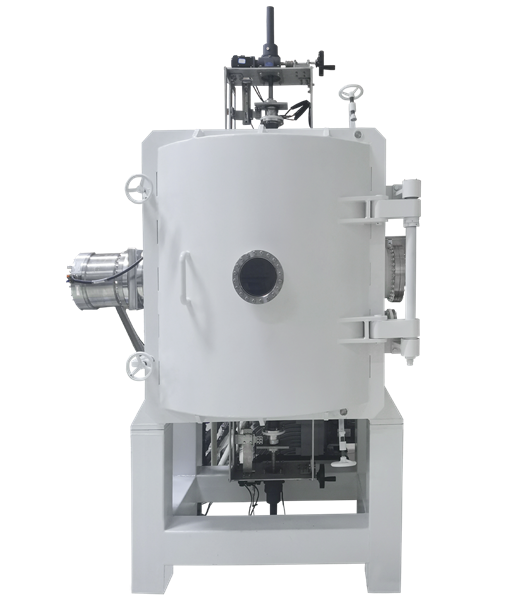
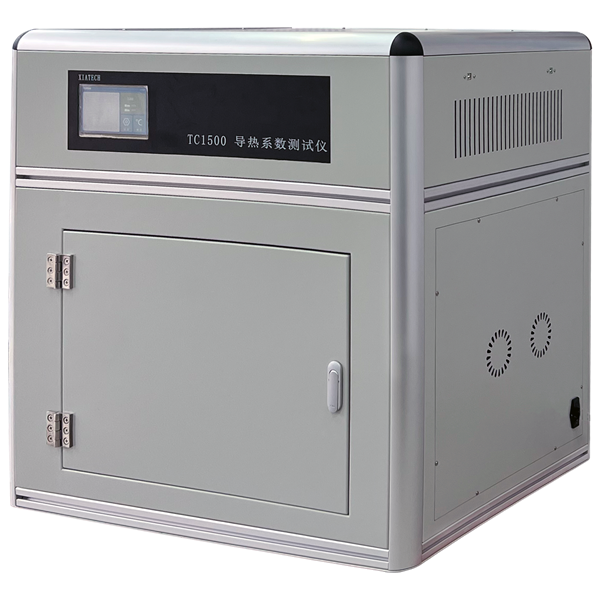
Guarded Hot Plate
It allows simultaneous measurement of thermal conductivity and thermal resistance, with a test temperature range from -160℃ to 500℃. It serves as an ideal tool for thermal insulation material research and performance testing.
The guarded hot plate method is one of the key techniques for measuring material thermal conductivity. Based on the principle of steady-state heat transfer—where the heat transfer rate equals the heat dissipation rate within the material once a stable state is reached, it features clear principles and intuitive measurement.
Theoretically rooted in Fourier's law of heat conduction under one-dimensional, steady-state conditions, it primarily measures effective thermal conductivity or thermal resistance in the central metering area of samples. As an absolute measurement method requiring no instrument constant calibration, its results are highly accurate and reliable, suitable for calibrating reference samples, precisely measuring thermal conductivity of pure materials, and studying heat transfer properties of non-pure materials. It is an ideal tool for thermal insulation material research and testing, offering high precision and low cost.
To meet the thermal conductivity measurement needs of insulation materials, building materials, heterogeneous materials, porous materials, and multi-layer composites, XIATECH has launched a thermal conductivity meter based on this method. For temperature stability, a guard heater is placed adjacent to the main heating plate, effectively reducing heat loss, eliminating edge thermal effects, and approximating the ideal one-dimensional heat transfer model to ensure result accuracy.
In high-precision temperature control, the instrument boasts multiple technical advantages, ensuring uniform temperature distribution across hot and cold plates and effective control of temperature fluctuations. Its innovative acquisition and control system enables automatic parameter detection and adjustment, realizing automated measurement control and analysis. This simplifies operations, largely avoids human interference, and guarantees measurement accuracy. Validated with standard samples, the measurement precision of this series is within 1%.