Transient Needle Probe
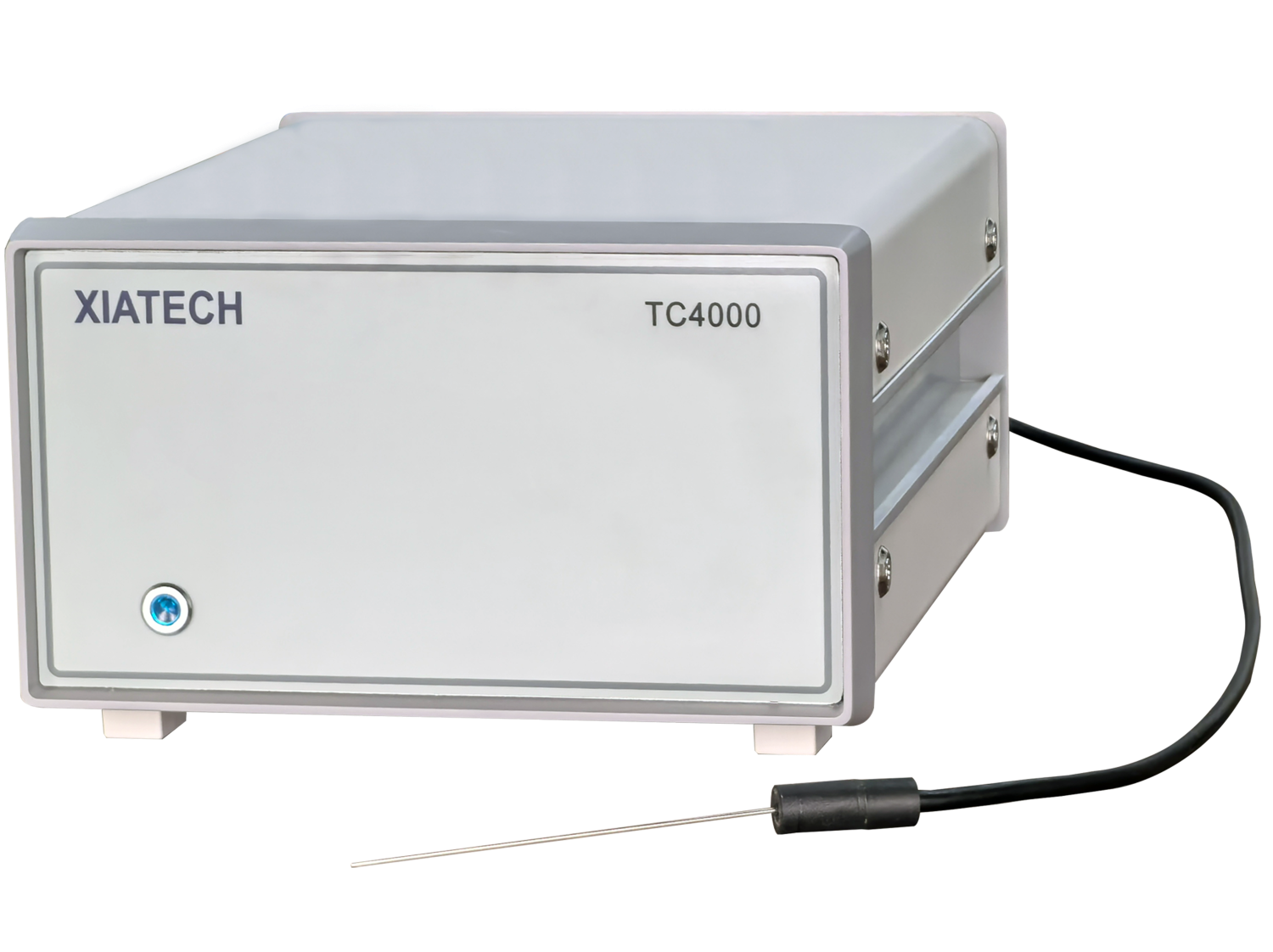
The needle sensor, suitable for testing loose materials, offers easy operation and inherits the high measurement accuracy of the hot wire method. With pressure resistance, it adapts to environments like high-pressure reactors.
The probe method shares the same principle as the transient hot wire technique, serving as a more practically oriented extension of the latter in real-world applications. Its core advantage lies in operational convenience: measurements only require direct insertion of the probe into the sample, eliminating the need for special sample preparation and significantly reducing associated costs. This makes it suitable for thermal conductivity measurement of foods, biological tissues, soils, and other loose materials.
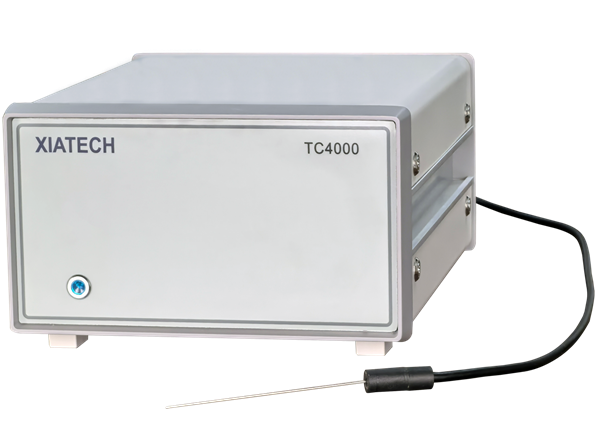
Through in-depth integration and innovative R&D of the hot wire and probe methods, XIATECH has successfully launched the probe-type thermal conductivity meter. While retaining the ease of operation of the probe method, this device effectively ensures measurement precision, achieving a unity of high accuracy and high portability. In practical applications, users need no special pretreatment of samples—simply insert the sensor into the sample and perform basic software operations to quickly obtain thermal conductivity results.
It is applicable to various sample forms including high-viscosity fluids, gelatinous foods, granular materials, and powdered materials, with multiple features such as simple operation, strong portability, wide application scenarios, non-destructive testing, and fast measurement. It provides efficient and reliable solutions for users in scenarios where sample preparation is inconvenient or on-site testing is required.
To further meet the needs of special working conditions, the company offers simultaneous customization services. Sensor dimensions can be customized according to specific application scenarios to ensure compatibility with tested samples. Additionally, the sensor features a pressure-resistant design (with customizable pressure) and can be used with high-pressure reactors, satisfying thermal conductivity testing requirements under high temperature and high pressure conditions.