Among the various methods for measuring fluid viscosity, the vibrating wire method has emerged as one of the core technologies in international fluid viscosity research, thanks to its unique technical advantages. It features a simple structure, wide temperature and pressure ranges, and broad applicability. It requires no overall movement of the fluid during measurement, is unaffected by surface tension, and achieves high precision due to minimal heat generation from viscous dissipation.
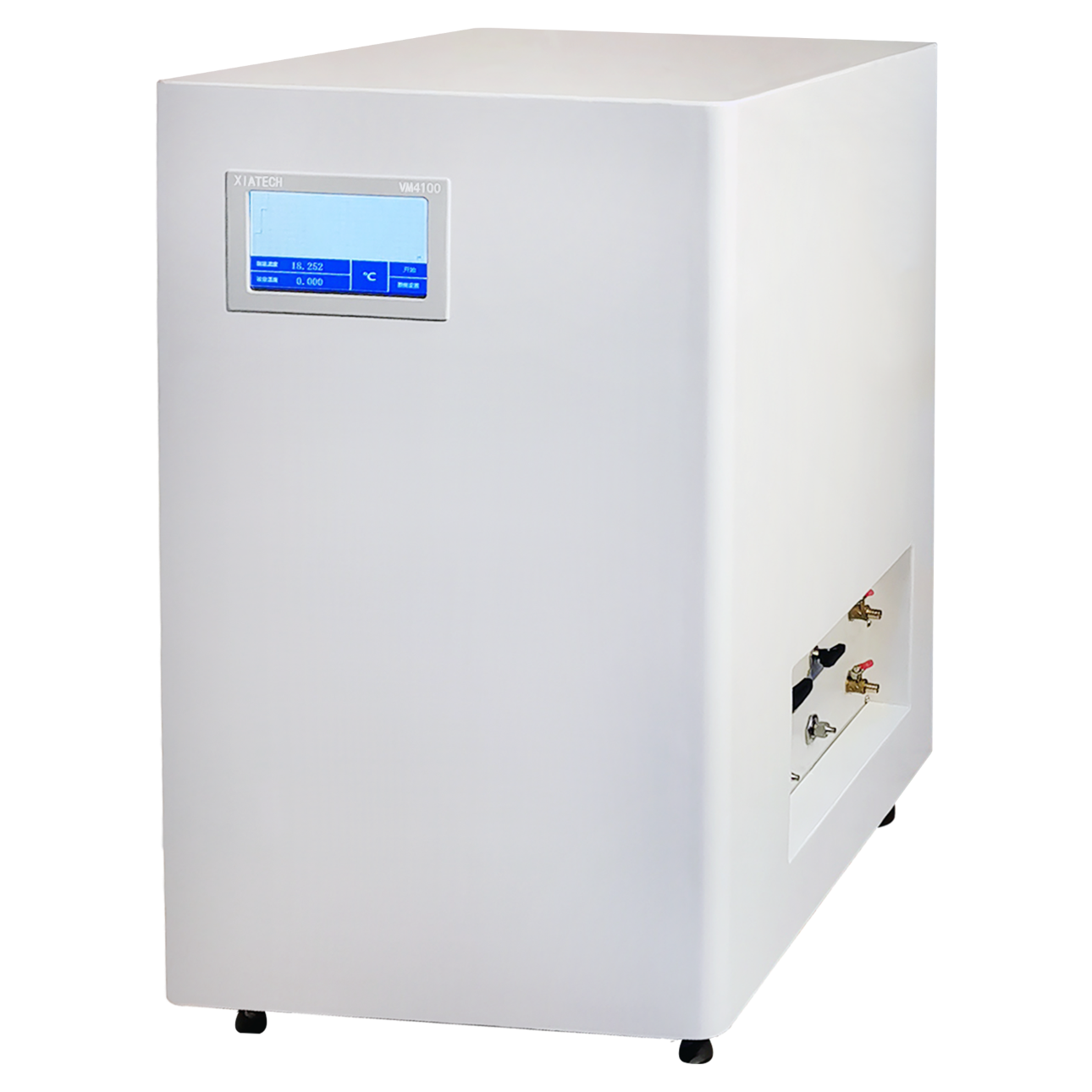
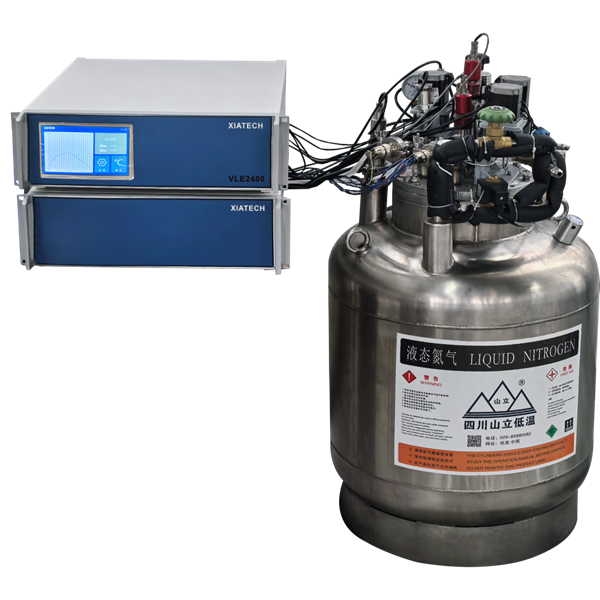
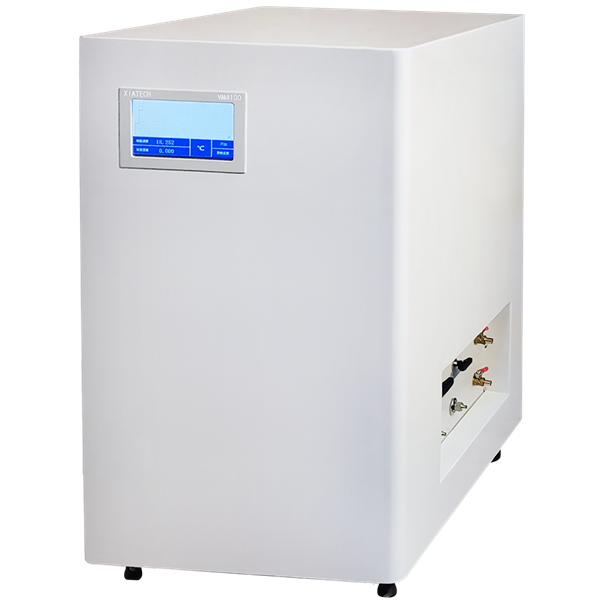
XIATECH has long been deeply engaged in the field of vibrating wire based fluid viscosity measurement. As early as 2009, it achieved key technological breakthroughs, successfully developing and launching the first viscosity-density measuring device based on the vibrating wire principle, providing a technical solution for the simultaneous measurement of fluid viscosity and density. Since then, to further expand the equipment's application scenarios and enhance measurement performance and automation, the company has continuously carried out optimizations and upgrades, significantly broadening its adaptability to operating conditions such as temperature and pressure. The temperature measurement range covers 100K to 600K (with customization available for lower or higher temperatures), and the pressure measurement range is 0.1~15MPa (supporting customization up to 100MPa or higher). Additionally, an innovative electric control system has been introduced, enabling fully automated viscosity measurement throughout the entire process from sampling, temperature and pressure control/measurement, to data acquisition, analysis, and result output, greatly reducing manual operation errors and improving measurement efficiency.
Currently, XIATECH has established a systematic measurement system in vibrating wire viscosity measurement, forming mature product lines covering multiple scenarios. These meet the precise viscosity measurement needs of various liquids, gases, and supercritical fluids, providing reliable basic experimental data for fluid engineering applications. The company also offers the following customized solutions to address technical bottlenecks in viscosity measurement under complex conditions:
1)Ultra-low temperature fluid viscosity measurement: extendable to 100K (e.g., LNG, liquid methane, liquid air), customizable.
2)Viscosity measurement of new alternative working fluids: e.g., new refrigerants, mixed refrigerants, refrigerant/lubricating oil, coolants, fluorinated liquids.
3)High-pressure fluid viscosity measurement: extendable to 100MPa, customizable.
4)Low-viscosity gas viscosity measurement: e.g., natural gas, LPG, petroleum gas, hydrogen-blended natural gas, nitrogen, methane (pure or mixed gases).
5)High-temperature and high-pressure viscosity measurement of supercritical fluids: e.g., SC-CO₂, SC-C₂H₅OH, SC-C₃H₈.