Flow Calorimeter
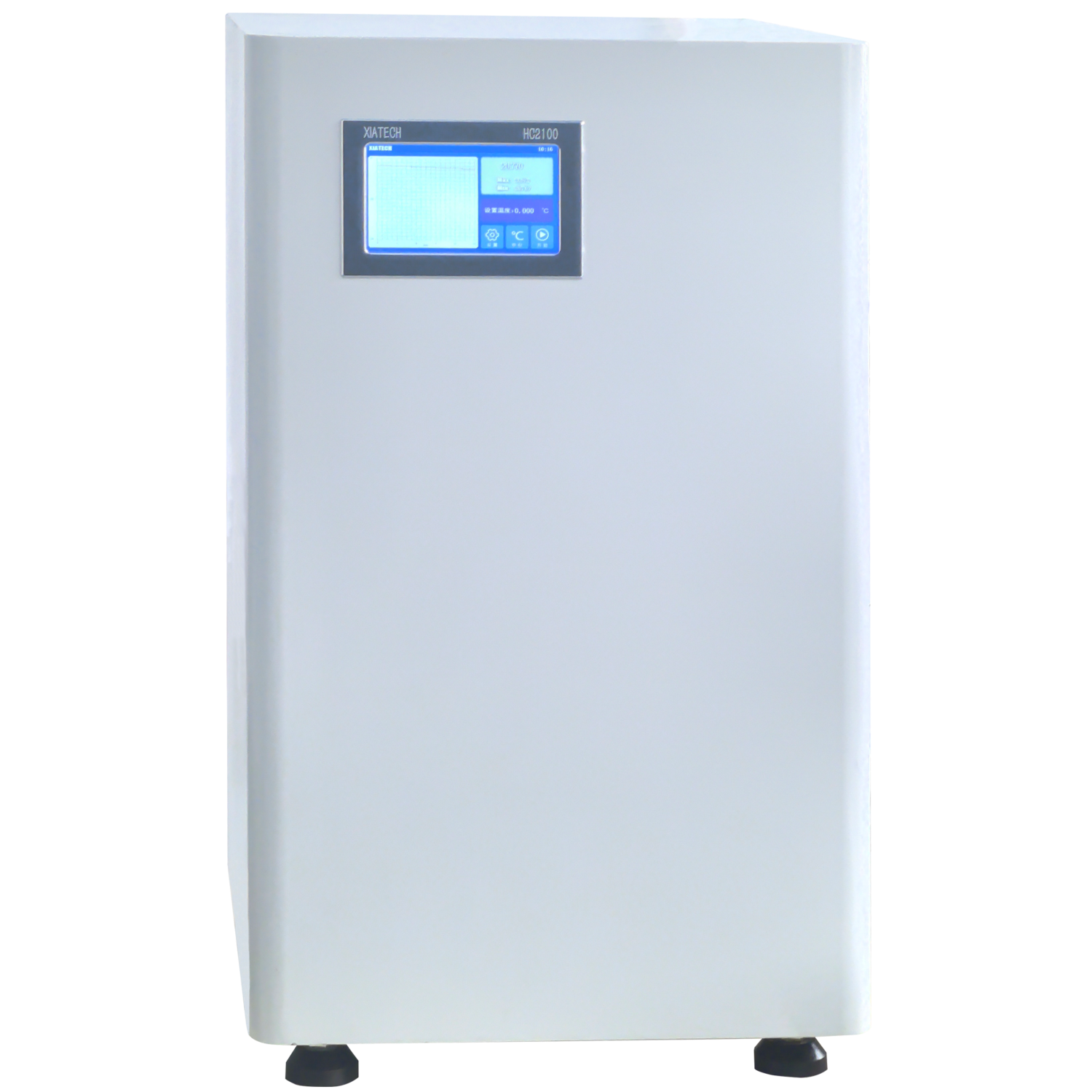
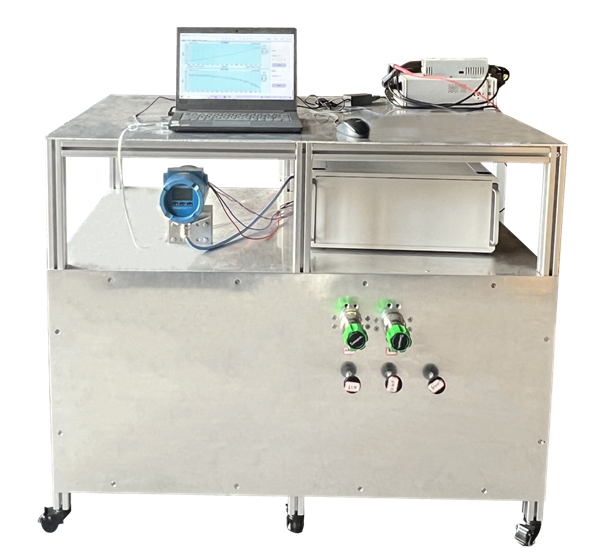
It is developed for the accurate measurement of specific heat capacity of liquids, gases, and fluids in supercritical state, featuring full-process automated operation and supporting customized test temperature and pressure ranges.
The flow calorimetry method is a specialized experimental technique for measuring the specific heat capacity of liquids and gases, particularly suitable for testing under high-pressure and high-temperature conditions. It serves as a direct and reliable method for obtaining fluid specific heat capacity data. Its basic principle involves: a fluid flowing steadily through a calorimeter absorbing a certain amount of heat when passing through a heater, resulting in a temperature rise before and after heating. By accurately measuring the heat flow and temperature rise, the specific heat capacity of the fluid can be calculated. Compared with other specific heat capacity measurement methods, flow calorimetry offers advantages such as a wide pressure range, broad temperature measurement range, and high accuracy, making it one of the widely adopted methods in international fluid specific heat capacity research.
XIATECH boasts decades of R&D experience in flow calorimetry technology, with its technical origins in research on measuring the constant-pressure specific heat capacity of high-temperature gases. Building on this, the company has continuously upgraded and optimized its technology, gradually achieving precise measurement of the constant-pressure specific heat capacity of liquids, expanding the temperature range to low and high temperature fields, and achieving a series of scientific research results. In 2011, the company launched the mature and stable HC2000 series calorimeters. This series can perform high-temperature tests up to 650°C (customizable) and low-temperature tests down to -30°C (customizable), meeting the needs of wider temperature range testing. The test pressure reaches up to 15MPa (with 30MPa or higher available on customization), suitable for measuring the specific heat capacity of liquids, gases, and supercritical fluids. It features high test accuracy, good repeatability, fast measurement speed, and high automation. Additionally, customized solutions can be provided for special samples such as toxic, flammable, low-boiling-point, and corrosive substances.